The pipe nobody sees
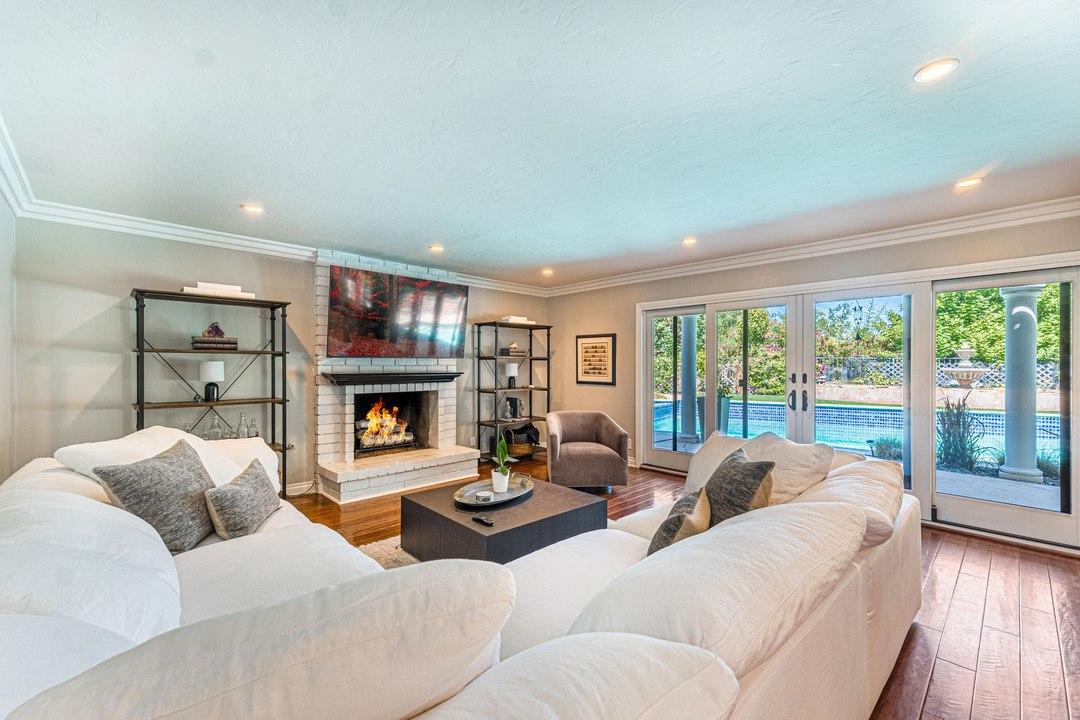
The part of a fireplace insert you choose is the box: its glass, its trim, the flame pattern, the color of the frame against your new surround. The part that decides whether it works is the pipe you never see. An insert closes off the old opening, and its exhaust has to travel from the top of the steel box to the top of the chimney through something sized and built for it. In most older Maywood chimneys, that something is not there yet.
This post explains why, what the options are, and how Dennison Chimney Works prices the liner alongside the insert so the whole job is on one sheet.
Why the old flue rarely suits a new insert
A masonry fireplace built decades ago was sized for an open wood fire, which sends a large volume of air and smoke up a large flue. An insert burns in a sealed box and sends a much smaller stream of exhaust out of a collar a few inches across. Push that small stream into a big clay flue and three things happen.
- It cools. Exhaust spreading out in a wide, cold flue loses heat before it reaches the top. Cool exhaust rises slowly.
- It condenses. Gas exhaust carries water vapor. In a cold flue that water condenses on the tile and mixes with what the fire leaves behind, and the mix attacks mortar joints.
- It may not leave. Weak draft can let exhaust drift back toward the room, which is the last thing you want from a sealed appliance.
Add the cracks and open joints many old clay flues already have, and the case is clear. Insert makers know this; their installation manuals specify the liner size their unit needs, and we follow the manual for the unit you pick.
The liner options
Flexible stainless steel
The most common choice. A corrugated stainless tube runs from the insert collar to a cap at the top, bending through the offsets that most brick chimneys have. It suits wood and gas inserts, and it comes in grades and sizes matched to the fuel.
Rigid stainless steel
Straight sections joined together. It suits a flue that runs plumb from the firebox to the top, and some installers prefer it for wood inserts because the smooth inner wall is easy to sweep.
Two pipes for a direct vent gas insert
Many gas inserts breathe outside air rather than room air. They need two flexible pipes up the chimney, one bringing combustion air down and one taking exhaust up, or a single pipe with a second inside it. The maker states which arrangement fits.
Wrapped or insulated liners
Where the brick sits close to wood framing, or the chimney is on an outside wall and runs cold, an insulating wrap or blanket around the liner keeps the exhaust warm and the brick cooler.
What decides the price
There is no list price for a liner, because every chimney is a different length and shape. What changes the figure:
- Height. A one story Maywood bungalow runs a short liner; a two story house runs a much longer one.
- Offsets. Bends in the flue decide whether flexible pipe is the only option and how much work it takes to pass it through.
- The fuel and the unit. Wood, gas, single wall or two pipe, and the diameter the maker calls for.
- Room inside the flue. A tight clay flue may need tiles broken out to fit the liner and any insulation.
- The top. A new cap and a top plate to seal the old flue around the liner.
We measure all of this from the camera inspection and the roof. The liner then appears on your proposal as its own line, right next to the insert, which we publish at $2,850 to $5,750 installed for a gas firebox fitted into an existing opening. You see what the flue work adds before you commit to the unit.
Ask for a liner and insert visit and tell us the insert you are leaning toward, if any, and whether the house is one story or two. We will bring the camera and measure the flue against that unit.
The camera comes first
We do not size a liner from the street. A camera inspection, $405 for the visit, shows the length of the flue, every offset, cracked or shifted tile, and any old repairs. NFPA 211 calls for that deeper inspection when an appliance is added or a flue is relined, so it is part of the job either way. If the flue is too sooty for a clear picture, a sweep from $430 comes first.
How the liner affects the look
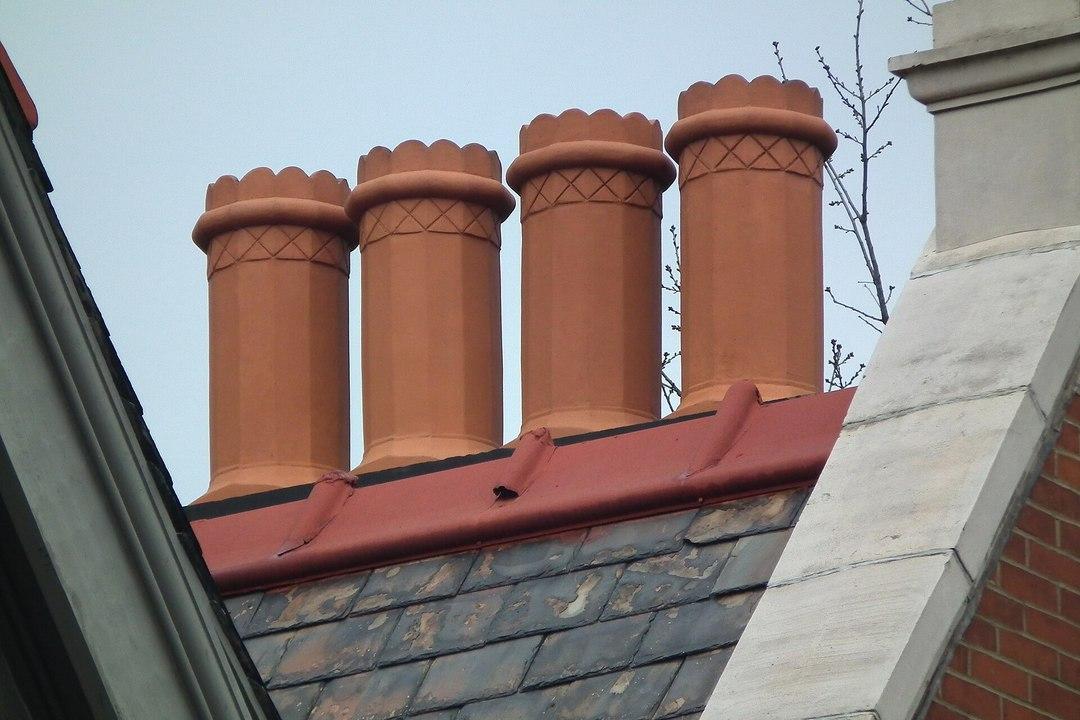
Owners planning a new surround sometimes forget the liner shapes the design. The insert size you can fit depends partly on the liner the flue can take. A larger unit may need a liner that only fits after tile is removed from the flue, which adds to the job. A cap on the stack shows from the street; we pick one that suits the house. And the trim kit around the insert has to cover the gap between box and brick neatly, so we measure the opening with the liner and the new face in mind.
Further reading
The chimney liner installation and fireplace inserts pages describe each service. For choosing between gas and wood, read gas insert or an open wood fire; for why the camera comes first, read Level 2 before a hearth remodel. We reline chimneys across Maywood, Los Angeles, Norwalk and Compton.
One sheet for the box and the pipe
If an insert is on your list, let us price the box and the pipe together. Send a note through the contact page and we will arrange a time to see the chimney.
Want This Worked Out on Your Own Wall?
Dennison Chimney Works looks over the firebox, tapes the opening and the hearth, and brings finish samples into your room. You get a written scope with each item priced. Homes in Maywood, Bell, Downey, Norwalk and nearby cities.